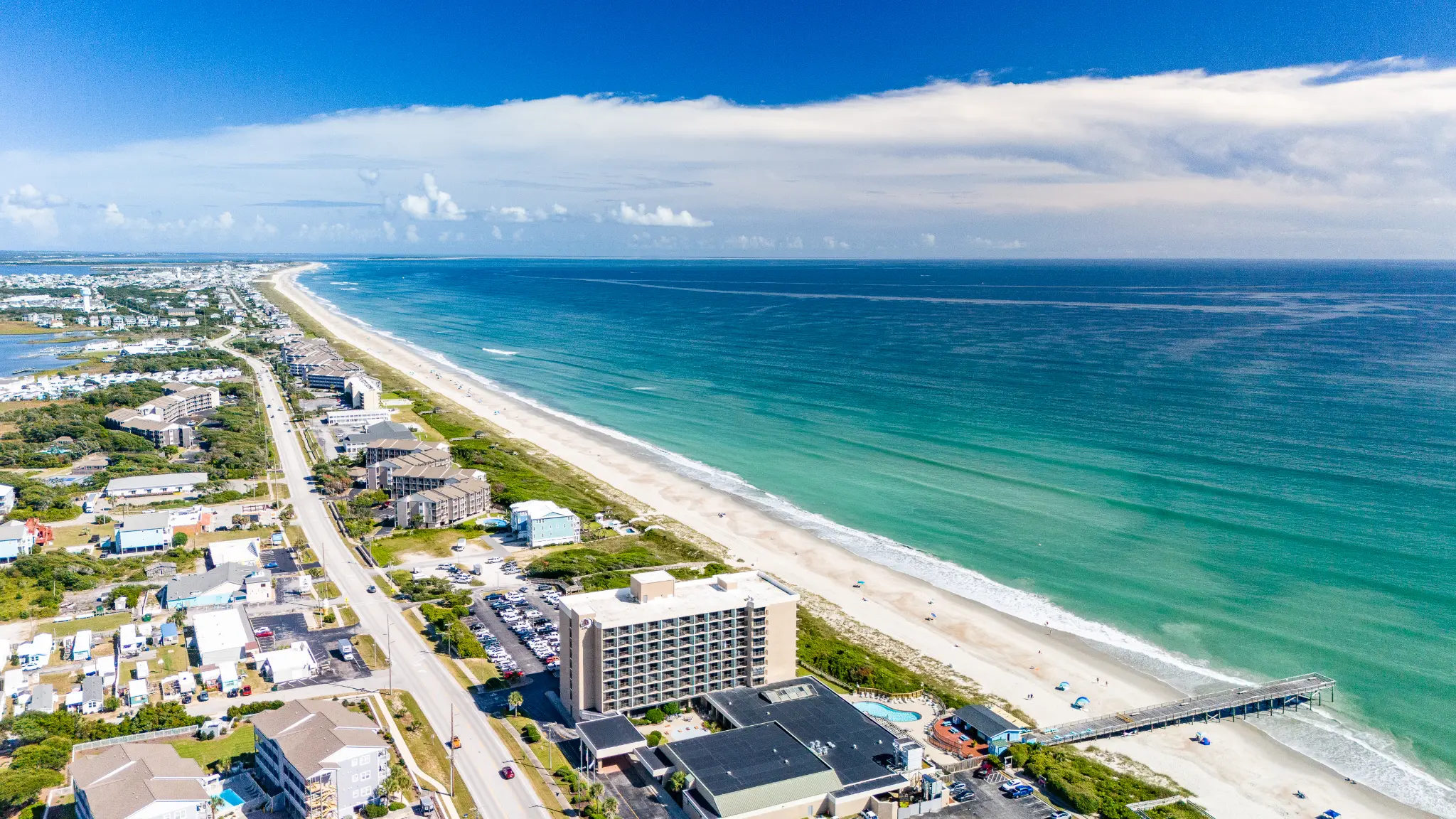
Condo Insurance on the Crystal Coast:
The Questions to Ask Before You Commit.
A coastal condo is more than a unit—it is a shared property, association documents, a master policy, and individual coverage decisions that deserve careful coordination. Start with the right documents. Avoid assumptions. Make an informed purchase.
Educational information only. Coverage depends on actual documents, policies, and professional advice.

Buying or selling a coastal condo? Talk through the property-side due-diligence questions with Chuck Hill.
Read This First
This is a due-diligence guide, not individual insurance advice.
Every association, unit, lender requirement, and policy is different. The Crystal Coast Condo Index does not quote coverage, determine insurability, interpret a particular contract, or recommend a policy. Before acting, buyers and sellers should obtain and review current association documents and speak with the qualified insurance, legal, lending, and tax professionals advising their transaction.
The Starting Framework
Think in Three Documents, Not One Quick Answer.
Your review should connect the association’s documents, your prospective unit-owner policy, and the property’s location-specific risk information. The exact dividing line is community- and policy-specific.
Association Documents
Request current master-policy evidence, declarations, deductible schedule, governing documents, and any information the association provides about responsibility for common elements and unit improvements.
Unit-Owner Coverage
Coordinate a prospective HO-6 policy with the unit’s documented responsibilities, lender requirements, personal property, liability needs, and deductibles. Read the actual policy—not a generic summary.
Location & Flood Data
Use the exact property address in FEMA’s Flood Map Service Center. A map is one input—not a coverage decision—and insurance availability and requirements should be confirmed with the appropriate professionals.
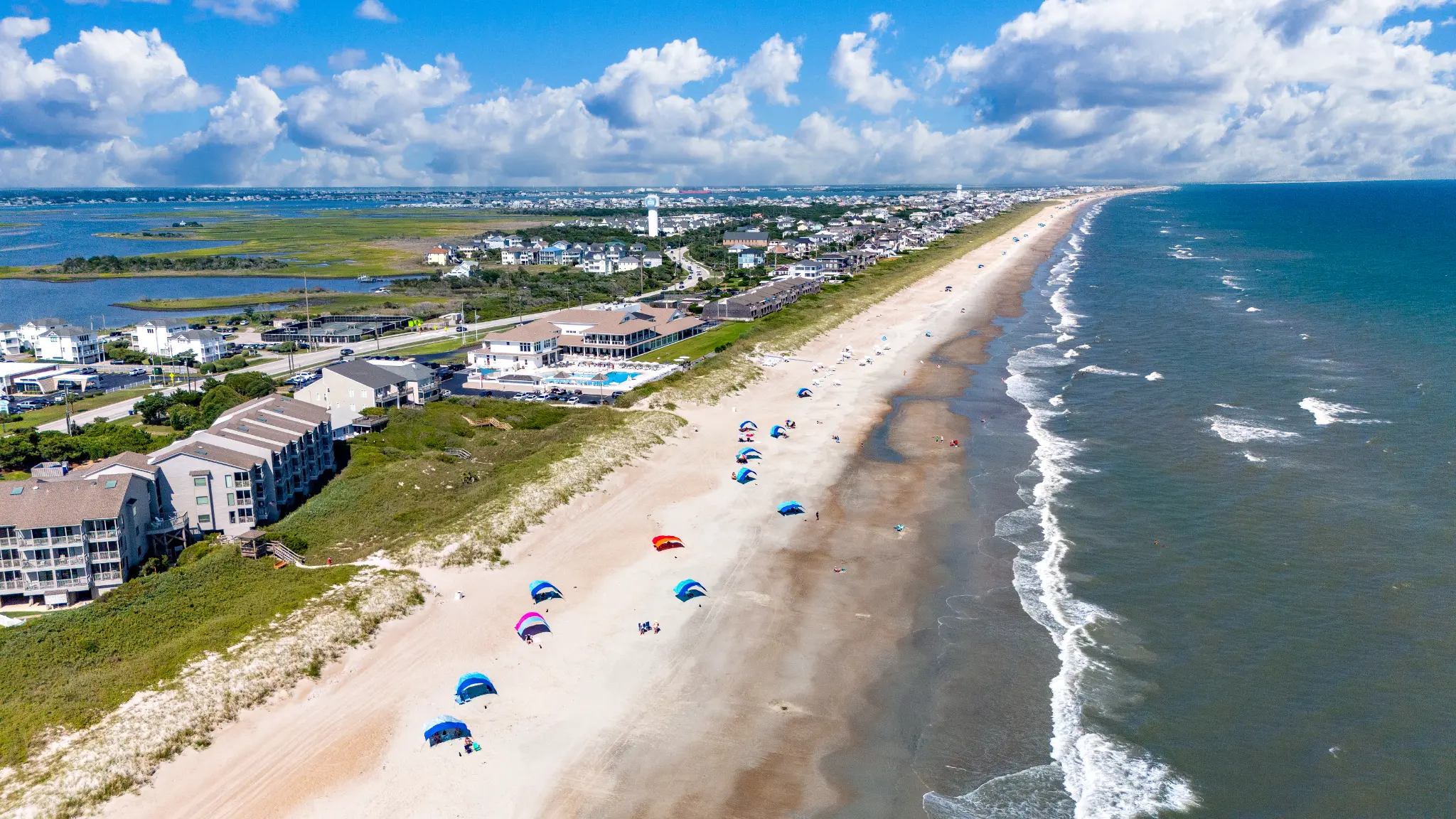
Flood-zone review
Start with the precise property address.
Flood: Verify, Don’t Guess
Flood Maps Are a Starting Point for the Conversation.
FEMA describes its Flood Map Service Center as the official source for flood-hazard mapping products. Flood maps help show the relationship between an address and mapped flood-hazard areas, but they do not create a “no-risk” designation or replace a coverage review.[1]
Wind & Named Storms
Deductibles Can Matter as Much as the Coverage Label.
The NC Department of Insurance notes that windstorm and hail may be excluded from some primary residential property policies, and a separate wind/hail policy may carry a separate deductible. It also explains that named-storm deductibles can be percentage-based and are shown on the declarations page.[2]
Ask for the deductible schedule in writing. Questions for your insurance professional can include which deductible applies, how it is calculated, when a named-storm deductible is triggered, whether wind/hail is included or separate, and how the association policy’s deductible may affect the unit owner.
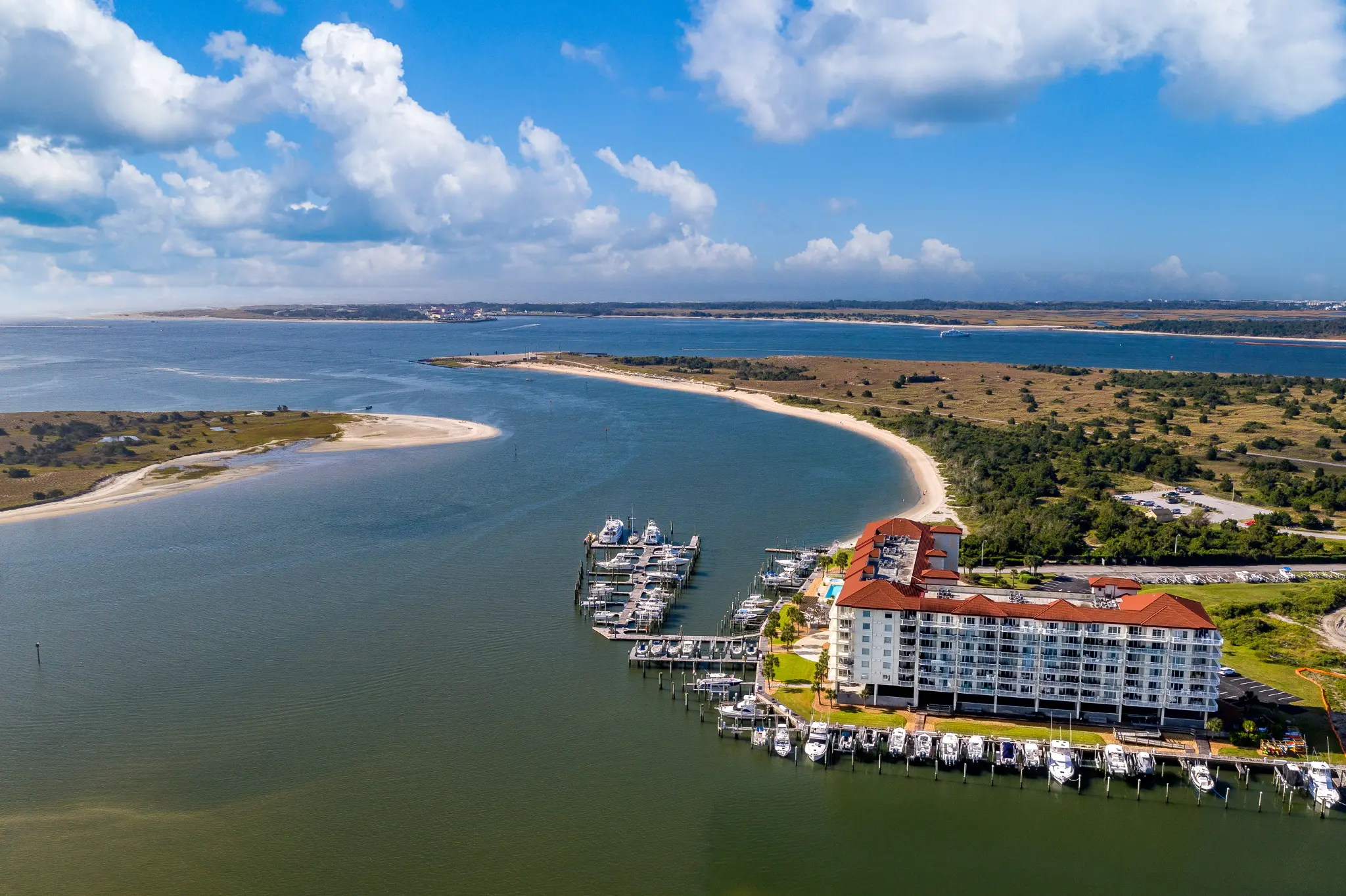
Coastal coverage coordination
Bring the documents into one conversation.
Practical Checklists
A Calm, Document-First Process for Buyers and Sellers.
Start these requests early. They make conversations more focused and reduce the risk of relying on dated or incomplete information.
Before You Buy a Condo
Before You Sell a Condo
Frequently Asked Questions
The Questions Smart Condo Buyers Ask.
Get the Right Questions Before You Decide
Buying or Selling a Crystal Coast Condo?
Research communities, compare condo characteristics, and work with Chuck Hill to make sure the property-side questions are addressed before you make a decision.
Chuck Hill | Real Broker, LLC | NC License #289233 | chuckhill76@gmail.com